





RC Airplanes & Remote Control Planes: The Ultimate Guide to Electric RC Aircraft
2026-11-09
Discover the exciting world of RC airplanes and remote control planes, where aviation technology, precision engineering, and the thrill of flight come together. Whether you're searching for your first RC airplane, a high-performance electric RC plane, a realistic military warbird, or an advanced RC jet, there is an aircraft designed for every flying experience.
Modern radio control airplanes offer impressive flight performance, advanced stabilization systems, powerful brushless motors, and realistic aircraft designs. From beginner-friendly trainer planes and sport aircraft to EDF jets, aerobatic airplanes, and scale military aircraft, RC flying offers endless opportunities for exploration and adventure.
Explore E-flite RC airplanes, electric RC aircraft, remote control jets, replacement airplane parts, transmitters, batteries, chargers, and flight accessories. Whether you're a beginner learning to fly or an experienced RC pilot looking for your next aircraft, discover the features and technology that make every flight memorable.
Find your next RC airplane and explore warehouse clearance deals with up to 70% OFF selected products, free worldwide shipping, and 30-day returns on eligible purchases.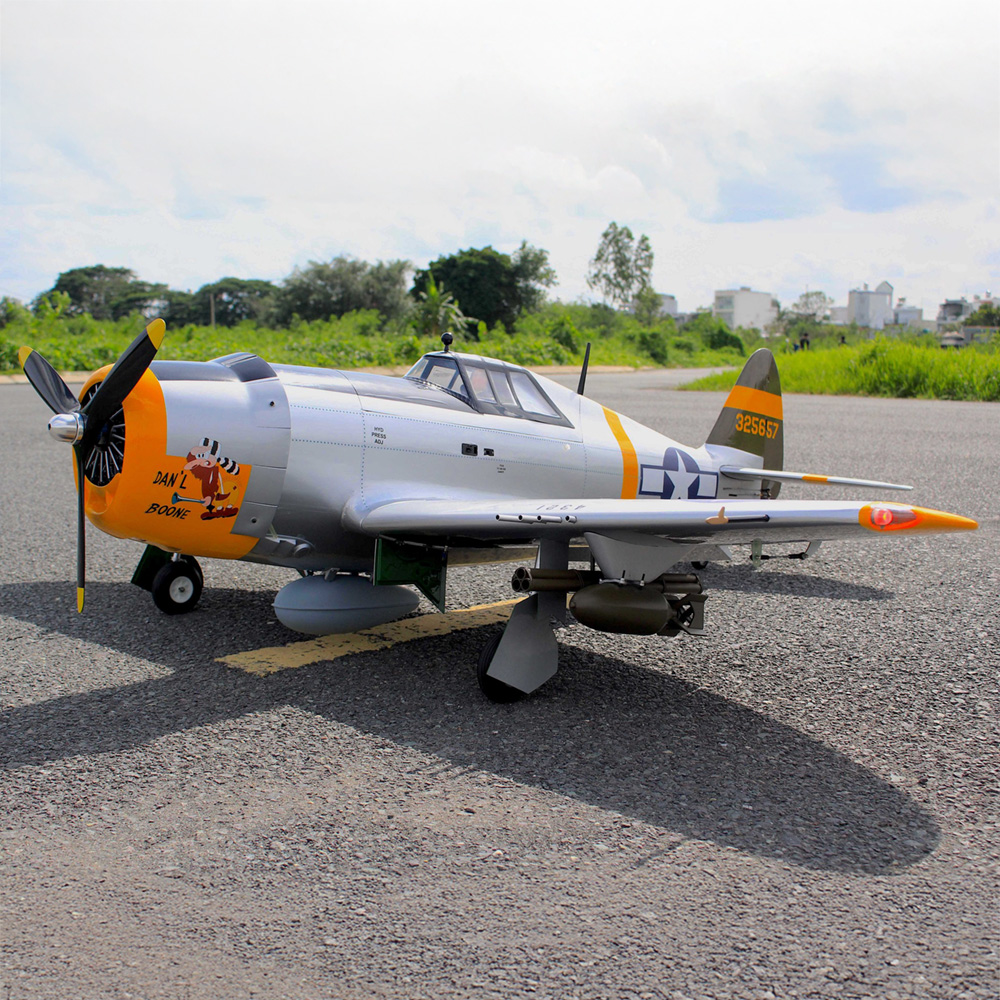
1. What Are RC Airplanes? Understanding Remote Control Planes
RC airplanes, also known as remote control airplanes or radio-controlled aircraft, are model aircraft operated through a wireless radio transmitter.
Unlike ordinary toy airplanes, hobby-grade RC planes feature sophisticated electronic systems, electric motors, servos, receivers, and aerodynamic designs that replicate the flying characteristics of real aircraft.
Modern RC airplanes are available in different configurations, sizes, and performance levels.
Popular RC airplane categories include:
-
RC Trainer Planes: Beginner-friendly aircraft designed for learning basic flying skills.
-
Electric RC Airplanes: Battery-powered aircraft offering convenient operation and a wide range of flying styles.
-
RC Sport Planes: Versatile aircraft for recreational flying and responsive handling.
-
RC Aerobatic Planes: Designed for rolls, loops, inverted flight, and advanced maneuvers.
-
RC Warbirds: Scale-inspired military aircraft, including classic WWII fighters.
-
RC Jets: High-performance aircraft featuring electric ducted fan systems or other specialized propulsion.
-
RC Gliders: Aircraft designed for efficient, sustained flight.
-
RC Float Planes: Aircraft equipped for suitable water-based takeoff and landing environments.
-
RC Biplanes: Classic two-wing aircraft with distinctive vintage styling.
Whether you enjoy relaxed recreational flying or advanced aerobatics, there is an RC aircraft suited to your interests.
2. Best Types of RC Airplanes: Find Your Perfect Aircraft
Choosing the right RC airplane starts with understanding different aircraft designs and their intended flying applications.
RC Trainer Planes – Best RC Airplanes for Beginners
If you're new to radio control flying, a trainer RC airplane is generally the best place to start.
Trainer planes are designed to make learning more manageable, with characteristics such as stable flight behavior, predictable handling, and beginner-oriented electronic assistance on selected models.
Important features include:
-
High-wing aircraft designs.
-
Stable and predictable flight characteristics.
-
Electric motor systems.
-
Beginner-friendly control response.
-
Compatible flight stabilization technology.
-
Readily available replacement components.
Some models also feature electronic flight assistance systems that help pilots learn basic flight controls.
When choosing your first RC airplane, consider aircraft skill level, available flying space, wingspan, battery requirements, and whether the model includes a transmitter.
A well-matched trainer can make the learning experience more enjoyable and help build confidence before moving to more advanced aircraft.
Electric RC Airplanes – Convenient & Versatile Flight Performance
Electric RC airplanes are among the most popular choices for recreational and hobby-grade flying.
Powered by rechargeable batteries, these aircraft combine electric motors, electronic speed controllers, propellers, and radio control systems.
Advantages include:
-
Convenient electric power systems.
-
Different aircraft sizes and performance levels.
-
Brushless motor options.
-
Rechargeable battery configurations.
-
A wide selection of trainer and sport aircraft.
-
Opportunities for customization and upgrades.
Electric RC airplanes are available for beginners, intermediate pilots, and experienced enthusiasts.
When comparing models, check motor specifications, battery voltage, propeller size, and recommended flight skill level.
RC Warbirds – Classic Military Aircraft & Scale Flying
RC warbirds recreate the appearance of historic military aircraft and are especially popular among aviation enthusiasts.
These aircraft combine recognizable historical designs with modern electric flight technology.
Popular warbird styles include:
-
P-51 Mustang.
-
F4U Corsair.
-
P-47 Thunderbolt.
-
Spitfire.
-
F-86 Sabre.
-
Other classic military aircraft.
Warbird RC airplanes appeal to pilots who appreciate aviation history, realistic scale details, and the experience of flying iconic aircraft.
Depending on the model, features may include retractable landing gear, functional flaps, scale cockpit details, and advanced electronic systems.
Before choosing a warbird, consider its wing loading, flight characteristics, skill level, and available flying area.
RC Jets – Experience High-Performance Electric Flight
RC jets offer a more advanced flying experience for enthusiasts interested in speed, aircraft styling, and high-performance flight.
Electric ducted fan (EDF) technology is commonly used in many electric RC jet models.
An EDF system uses an electric motor to drive a fan inside a duct, creating thrust for the aircraft.
Popular RC jet categories include:
-
EDF sport jets.
-
Scale military jets.
-
Fighter jet replicas.
-
Compact micro jets.
-
Advanced performance jets.
Popular aircraft styles include F-16, F-86, F-4 Phantom, and other jet-inspired designs.
When selecting an RC jet, consider fan diameter, motor specifications, battery configuration, takeoff requirements, and pilot experience.
Advanced jets are not necessarily suitable for beginners, so always follow the manufacturer's recommended skill level.
RC Sport & Aerobatic Airplanes – Built for Maneuvers
For pilots who enjoy responsive controls and dynamic flying, sport and aerobatic RC airplanes provide exciting opportunities.
Depending on their design, these aircraft can support maneuvers such as:
-
Loops.
-
Rolls.
-
Inverted flight.
-
Stall turns.
-
Vertical climbs.
-
Other aerobatic maneuvers.
Some models are designed for gentle sport flying, while others are built for advanced 3D aerobatics.
Consider your experience level and the aircraft's recommended skill rating before choosing an aerobatic model.
RC Gliders & Sailplanes – Enjoy Smooth, Efficient Flight
RC gliders and sailplanes offer a different approach to radio control flying.
Instead of relying entirely on continuous motor power, gliders are designed to use aerodynamic efficiency and suitable atmospheric conditions to maintain flight.
Some models are motor-assisted, allowing easier launches and additional flexibility.
They are popular among enthusiasts who enjoy:
-
Long-duration gliding.
-
Thermal soaring.
-
Efficient wing designs.
-
Relaxed outdoor flying.
-
Precision flight control.
RC Float Planes – Take Your Flying Beyond the Runway
Float-equipped RC airplanes are designed for suitable water-based takeoff and landing environments.
They can provide a different flying experience for enthusiasts who have access to approved lakes or other suitable waterways.
Before flying, check water conditions, aircraft waterproofing requirements, local regulations, and safe operating areas.
3. Discover E-flite RC Airplanes – Electric Aircraft for Every Skill Level
E-flite is a recognized brand in the radio control aircraft market, offering electric RC airplanes for beginners and experienced pilots.
Its aircraft range includes trainers, sport airplanes, aerobatic models, scale military aircraft, and EDF jets.
E-flite Trainer Airplanes
Trainer aircraft are designed to introduce new pilots to RC flying.
Selected models include flight assistance technology to help improve stability and provide a more manageable learning experience.
When comparing E-flite trainer planes, consider:
-
Recommended skill level.
-
Wingspan and aircraft size.
-
Motor and battery configuration.
-
Included radio equipment.
-
Flight assistance features.
-
Available replacement parts.
E-flite Sport & Aerobatic Planes
For pilots ready to explore more dynamic flying, E-flite offers sport and aerobatic aircraft with different performance characteristics.
These models are suitable for enthusiasts interested in responsive handling, aerobatic maneuvers, and recreational performance flying.
E-flite Warbirds & Scale Aircraft
E-flite scale aircraft recreate classic military and civilian airplane designs.
From historic fighter aircraft to recognizable civilian planes, these models combine realistic styling with modern electric power systems.
E-flite EDF Jets
E-flite EDF jets offer jet-inspired flight performance and modern electric propulsion.
Popular aircraft styles include compact sport jets and scale military jet replicas.
Always compare battery requirements, fan configuration, aircraft weight, and recommended pilot skill level.
4. Brushless vs. Brushed Electric RC Airplanes
Motor selection is one of the most important considerations when purchasing an electric RC airplane.
Brushed RC Airplane Motors
Brushed motors are commonly found in selected entry-level and compact aircraft.
Their advantages include:
-
Accessible entry-level pricing.
-
Straightforward operation.
-
Suitable power for certain lightweight aircraft.
-
A practical introduction to electric RC flying.
Brushless RC Airplane Motors
Brushless motors are widely used in higher-performance electric RC aircraft.
Advantages include:
-
Higher potential efficiency.
-
Strong power-to-weight performance.
-
Greater performance potential.
-
Reduced motor maintenance compared with traditional brushed motors.
-
Compatibility with a wide range of electric aircraft configurations.
Brushless systems are particularly popular in sport airplanes, aerobatic models, and EDF jets.
The correct motor depends on aircraft weight, propeller or fan configuration, ESC rating, and battery specifications.
Never upgrade a motor without checking the manufacturer's recommended power system.
5. Understanding RC Airplane Batteries, Voltage & Flight Time
The battery is an essential component of every electric RC airplane.
Most hobby-grade electric RC aircraft use rechargeable lithium polymer batteries, commonly known as LiPo batteries.
What Does 2S, 3S, 4S or 6S Mean?
The S rating indicates the number of battery cells connected in series.
| Battery Configuration | Nominal Voltage |
|---|---|
| 2S LiPo | 7.4V |
| 3S LiPo | 11.1V |
| 4S LiPo | 14.8V |
| 6S LiPo | 22.2V |
Higher-voltage batteries can support greater power output when matched with compatible aircraft electronics.
However, battery voltage alone does not determine flight performance.
Battery capacity, discharge rating, aircraft weight, motor efficiency, and flying style all influence operating time and performance.
How Long Can an RC Airplane Fly?
Flight duration varies by aircraft type and operating conditions.
Factors include:
-
Battery capacity.
-
Aircraft weight.
-
Motor efficiency.
-
Throttle usage.
-
Weather conditions.
-
Aerodynamic design.
Always use the recommended battery configuration and monitor battery levels during flight.
Follow safe charging and storage procedures, and never leave charging batteries unattended.
6. RTF, BNF, PNP & ARF: Which RC Airplane Should You Buy?
When shopping for remote control airplanes, you will frequently encounter terms such as RTF, BNF, PNP, and ARF.
Understanding these terms helps you choose the right aircraft package.
RTF – Ready-to-Fly
RTF aircraft are designed to provide a convenient starting point.
Depending on the package, they may include:
-
Assembled aircraft.
-
Transmitter.
-
Receiver.
-
Motor and ESC.
-
Servos.
-
Flight battery.
-
Charger.
Always check the individual product description because some RTF Basic packages exclude batteries or chargers.
BNF – Bind-N-Fly
BNF aircraft generally include a compatible receiver and onboard electronics but require a compatible transmitter to operate.
Some models also require a separately purchased battery and charger.
This option is attractive to pilots who already own compatible radio equipment.
PNP – Plug-N-Play
PNP aircraft typically include the main onboard electronics, such as the motor, ESC, and servos, but require additional radio equipment.
Depending on the model, you may need:
-
Compatible receiver.
-
Transmitter.
-
Flight battery.
-
Charger.
PNP models offer more flexibility for experienced RC pilots.
ARF – Almost-Ready-to-Fly
ARF aircraft arrive partially assembled and require additional components and setup before flight.
They are generally more suitable for hobbyists who enjoy aircraft assembly and customization.
Always review the included components and required equipment before purchasing.
7. RC Airplane Transmitters, Receivers & Radio Systems
A reliable radio system is essential for controlling an RC airplane.
The transmitter sends control signals to the aircraft's receiver, which communicates with the onboard electronics.
Depending on the model, the radio system may control:
-
Ailerons.
-
Elevator.
-
Rudder.
-
Throttle.
-
Landing gear.
-
Flaps.
-
Auxiliary functions.
How Many Channels Do You Need?
The required channel count depends on aircraft design and the number of independently controlled functions.
A simple trainer may require fewer channels than a larger scale aircraft with retractable landing gear, flaps, and additional control surfaces.
When selecting a transmitter, consider:
-
Channel count.
-
Receiver compatibility.
-
Supported radio protocol.
-
Programmable settings.
-
Model memory.
-
Telemetry support.
-
Future aircraft requirements.
Choosing a suitable radio system can make it easier to expand your RC aircraft collection.
8. Essential RC Airplane Parts & Accessories
RC airplanes require compatible replacement components and accessories for regular maintenance and long-term performance.
Important RC aircraft parts include:
RC Airplane Propellers
Propellers convert motor power into thrust.
Choose propellers based on motor specifications, aircraft design, and manufacturer recommendations.
RC Motors & ESCs
The motor generates propulsion, while the electronic speed controller regulates motor power.
Both components must be compatible with the aircraft and battery configuration.
RC Servos
Servos control the aircraft's moving surfaces, including ailerons, elevator, rudder, and other supported functions.
RC Receivers & Transmitters
Radio equipment allows pilots to control the aircraft remotely.
Always verify compatibility between transmitter and receiver systems.
RC Batteries & Chargers
Compatible batteries and chargers are essential for reliable electric flight.
Check voltage, capacity, connector type, and charging requirements.
RC Airplane Landing Gear
Landing gear components help support the aircraft during takeoff and landing.
Selected models also feature retractable landing gear systems.
RC Replacement Parts
Common replacement components include:
-
Propellers.
-
Wings.
-
Fuselages.
-
Tail assemblies.
-
Landing gear.
-
Servos.
-
Motors.
-
ESCs.
-
Receivers.
-
Batteries and connectors.
Keeping compatible replacement parts available can reduce downtime and help maintain your aircraft.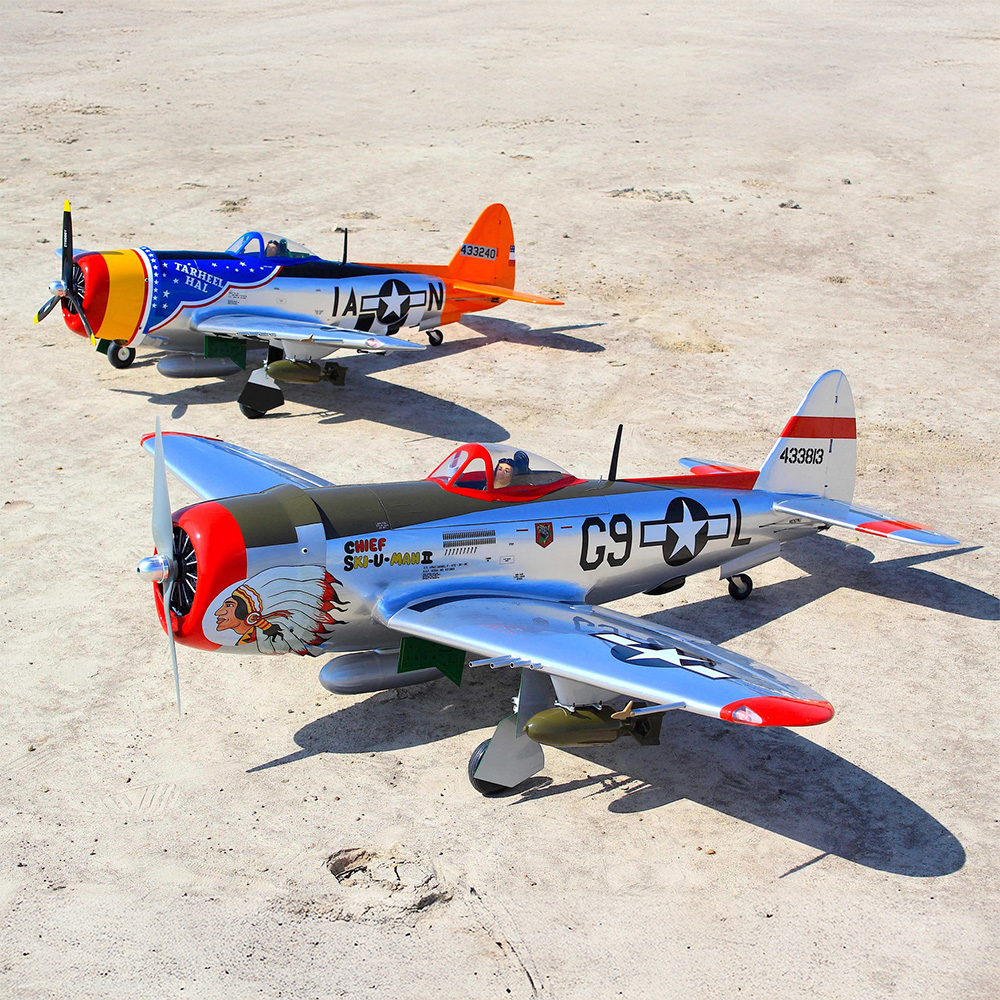
9. How to Choose the Best RC Airplane for Beginners & Experienced Pilots
Finding the right RC airplane involves more than choosing the aircraft with the highest speed or most impressive appearance.
Consider these important factors before purchasing.
1. Flying Experience
Beginners should generally start with a trainer aircraft designed for stable and predictable flight.
Experienced pilots may prefer sport planes, aerobatic models, warbirds, or EDF jets.
2. Aircraft Size
Consider wingspan, overall weight, transportation, storage, and available flying space.
Larger aircraft generally require more room and suitable takeoff and landing conditions.
3. Motor & Battery System
Check motor type, battery voltage, ESC rating, and manufacturer recommendations.
4. Completion Level
Decide whether you prefer RTF, BNF, PNP, or ARF based on the radio equipment and assembly experience you already have.
5. Radio Compatibility
Make sure the transmitter and receiver are compatible.
6. Replacement Parts
Check the availability of wings, propellers, landing gear, motors, servos, and other replacement components.
7. Flying Location
Choose an aircraft suitable for your available flying environment.
Consider local aviation regulations, approved flying fields, weather, and safety requirements.
10. RC Airplane Maintenance: How to Keep Your Aircraft Flight-Ready
Regular maintenance helps protect your investment and improve flight reliability.
Before every flying session:
-
Inspect wings and fuselage for damage.
-
Check propeller condition and mounting.
-
Verify battery condition and secure installation.
-
Inspect control surfaces and linkages.
-
Test transmitter and receiver operation.
-
Check servo response.
-
Verify control direction and range.
-
Inspect landing gear and mounting points.
-
Follow the manufacturer's recommended pre-flight checks.
After flying:
-
Remove dirt and debris.
-
Inspect the aircraft for impact damage.
-
Check connectors and wiring.
-
Store batteries safely.
-
Replace worn or damaged components.
-
Keep the aircraft protected during transportation.
Never fly an aircraft with damaged structural components or unreliable control systems.
11. RC Airplane Safety & Where to Fly
Safe flying is an essential part of the RC hobby.
Before operating an RC airplane, understand the rules and requirements that apply to your location.
In the United States, recreational drone and model aircraft operators should review applicable FAA requirements, including registration, TRUST, Remote ID, airspace restrictions, and approved operating conditions where applicable.
Important safety practices include:
-
Fly in approved areas.
-
Maintain visual line of sight.
-
Respect airspace restrictions.
-
Keep a safe distance from people and property.
-
Avoid flying in unsuitable weather.
-
Complete pre-flight inspections.
-
Follow local flying club and field rules.
For US aviation safety information, consult the FAA and the relevant recreational model aircraft guidance before flying.
12. Find RC Airplanes, Aircraft Parts & Warehouse Deals
Whether you're searching for a beginner RC airplane, an electric brushless aircraft, an advanced EDF jet, or replacement airplane components, comparing product specifications is essential.
When shopping for RC planes, consider:
-
Aircraft type and skill level.
-
Wingspan and overall dimensions.
-
Motor and battery configuration.
-
RTF, BNF, PNP, or ARF completion level.
-
Transmitter and receiver compatibility.
-
Replacement parts availability.
-
Shipping and return conditions.
Explore E-flite RC airplanes, trainer planes, sport aircraft, warbirds, jets, and related radio control accessories.
Discover warehouse clearance deals on selected aircraft, batteries, chargers, transmitters, replacement parts, and hobby equipment.
Warehouse Clearance – Up to 70% OFF selected products.
Free Worldwide Shipping | 30-Day Returns on Eligible Purchases.
Limited stock available.
13. Discover Your Next RC Flying Adventure
RC airplanes combine aviation, engineering, technology, and the excitement of flight.
Whether you're learning to fly with your first trainer plane, exploring electric RC aircraft, collecting realistic warbirds, or upgrading to an advanced EDF jet, there is always another flying challenge waiting.
Explore the world of E-flite RC airplanes and remote control aircraft, along with compatible transmitters, receivers, batteries, chargers, and replacement parts.
From beginner-friendly electric trainers to advanced sport planes and scale aircraft, find the equipment that matches your flying experience.
Explore RC airplanes, aircraft accessories, and selected warehouse clearance deals at ARRMA-RC.US.
Save up to 70% OFF selected products.
Free Worldwide Shipping | 30-Day Returns on Eligible Purchases.
Find your next RC aircraft and take your hobby to new heights!
Frequently Asked Questions About RC Airplanes
1. What are the best RC airplanes for beginners?
Trainer airplanes are generally the best starting point for beginners. Look for stable flight characteristics, manageable size, appropriate skill ratings, and beginner-oriented flight assistance features.
2. What is the best RC airplane brand?
E-flite is a popular brand to explore for electric RC airplanes, including trainers, sport aircraft, warbirds, and EDF jets. The best aircraft depends on your experience, budget, and preferred flying style.
3. What is the difference between RC planes and RC airplanes?
Both terms refer to radio-controlled aircraft. RC planes and remote control airplanes are commonly used interchangeably in the hobby market.
4. Are electric RC airplanes good for beginners?
Yes. Many electric RC airplanes are designed for beginner and recreational flying. Trainer models with suitable flight assistance systems can make learning more manageable.
5. What does EDF mean in RC airplanes?
EDF stands for Electric Ducted Fan. It is an electric propulsion system that uses a fan inside a duct to generate thrust, commonly found in RC jet aircraft.
6. What is the difference between RTF, BNF, PNP, and ARF?
RTF means Ready-to-Fly, BNF means Bind-N-Fly, PNP means Plug-N-Play, and ARF means Almost-Ready-to-Fly. These terms describe how much assembly and additional equipment are required before flight.
7. How long can an electric RC airplane fly?
Flight duration depends on battery capacity, aircraft weight, motor efficiency, throttle usage, and aerodynamic design. Check the manufacturer's specifications for each model.
8. What battery do RC airplanes use?
Many electric RC airplanes use LiPo batteries. The correct voltage, capacity, discharge rating, and connector depend on the specific aircraft.
9. What is the difference between a brushed and brushless RC airplane?
Brushless motors generally offer greater efficiency and performance potential. Brushed motors are commonly found in certain entry-level and lightweight aircraft.
10. What RC airplane should I buy as my first plane?
Consider a trainer model with a suitable skill rating, stable flight characteristics, and accessible replacement parts. Avoid choosing an advanced EDF jet or aerobatic aircraft before developing basic flying skills.
11. Do RC airplanes need a transmitter?
Yes. An RC airplane needs a compatible radio control system. Some RTF packages include a transmitter, while BNF and PNP models may require separately purchased radio equipment.
12. Where can I buy E-flite RC airplanes and aircraft accessories?
Explore available E-flite aircraft, transmitters, batteries, chargers, and replacement components at ARRMA-RC.US. Review product descriptions for current availability, included equipment, shipping details, and return eligibility.