





RC Trainer Planes: The Complete Beginner’s Guide to Choosing Your First RC Airplane
2026-11-09
Choosing your first RC airplane is one of the most exciting steps into the world of radio-controlled aviation. But with so many models, motor systems, battery options, and control technologies available, finding the right aircraft can feel overwhelming.
That is where RC trainer planes come in.
Designed to make learning easier, beginner RC airplanes help new pilots develop essential flying skills, build confidence, and understand how an aircraft responds to throttle, steering, wind, and landing controls. Whether you are looking for an electric RC trainer, a ready-to-fly airplane, or your first E-flite aircraft, choosing the right model can make a major difference in your flying experience.
In this guide, we explain how RC trainer planes work, what features to look for, which aircraft styles are suitable for beginners, and what equipment you need to get started.
What Is an RC Trainer Plane?
An RC trainer plane is a radio-controlled aircraft designed to help beginners learn how to fly. Compared with many high-performance RC airplanes, trainer aircraft generally prioritize predictable handling, stable flight characteristics, and easier control.
Many beginner-friendly trainer planes feature a high-wing design. With the wings positioned above the fuselage, these aircraft are commonly designed to provide stable and forgiving flight characteristics.
Electric power systems are also popular because they are convenient to operate and require less routine maintenance than traditional fuel-powered models.
A beginner RC trainer typically focuses on:
-
Stable and predictable flight performance
-
Gentle control response
-
Easy takeoff and landing characteristics
-
Durable airframe construction
-
Simple electric power systems
-
Beginner-friendly radio control technology
For anyone searching for RC planes for beginners, a dedicated trainer is often a more practical starting point than an advanced aerobatic airplane or high-speed RC jet.
Types of RC Trainer Planes
Not all trainer airplanes are the same. Different designs offer different flying experiences, performance characteristics, and learning opportunities.
1. High-Wing RC Trainer Planes
High-wing RC airplanes are among the most recognizable beginner aircraft designs.
Their wings are mounted above the fuselage, and many models are engineered for smooth, predictable flight. This makes them a popular choice for pilots learning basic flight control.
Common features include:
-
Stable flight characteristics
-
Gentle turning response
-
Good visibility during flight
-
Practical takeoff and landing performance
-
Beginner-friendly electric configurations
If you are purchasing your first remote control airplane, a high-wing trainer is a sensible category to explore.
2. Electric RC Trainer Planes
Electric RC airplanes are popular because they are convenient, relatively simple to operate, and available in many sizes.
Most electric trainers use a combination of an electric motor, electronic speed controller (ESC), rechargeable battery, and radio control receiver.
When comparing electric RC trainer planes, consider:
-
Motor type and power output
-
Compatible LiPo battery configuration
-
Flight time and battery capacity
-
Propeller size
-
Airframe weight
-
Replacement parts availability
A well-matched electric power system helps provide consistent performance and a more manageable learning experience.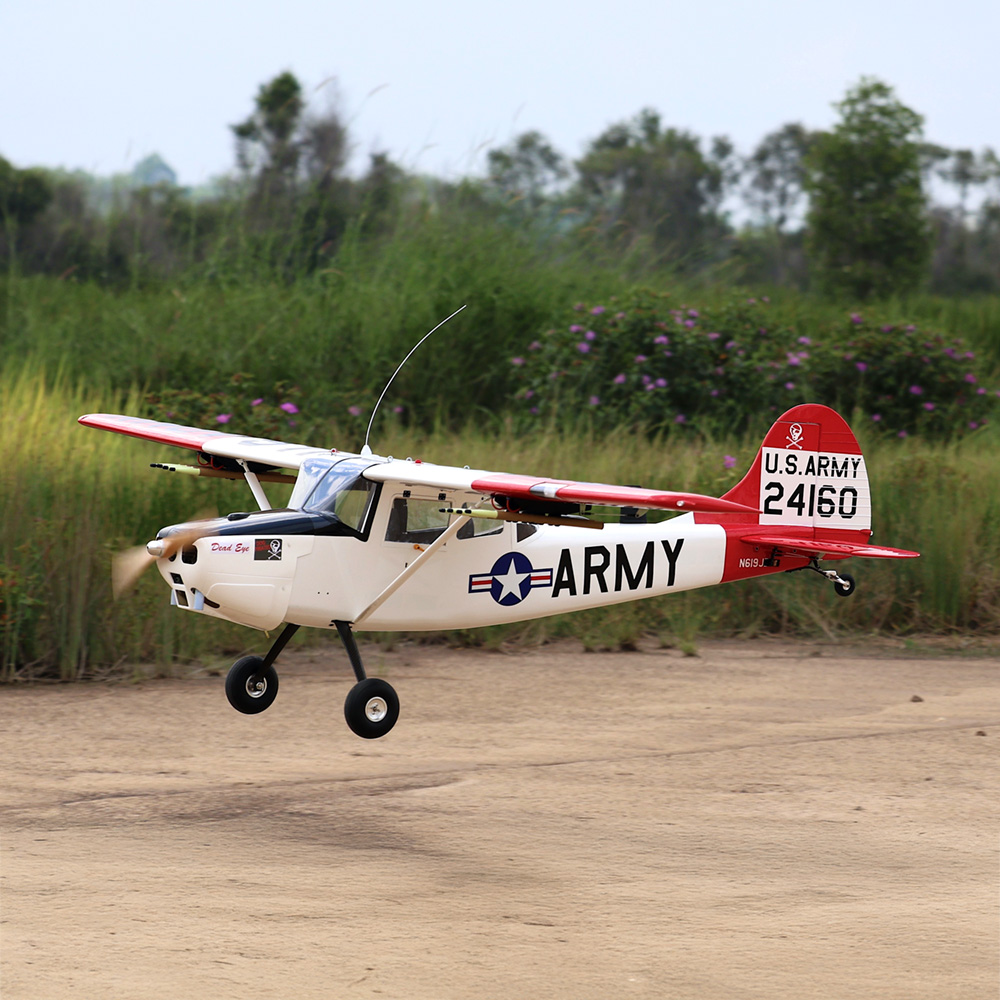
3. RTF RC Trainer Airplanes
RTF stands for Ready-to-Fly.
An RTF RC airplane package typically includes most of the essential equipment needed to begin, such as the aircraft, transmitter, receiver, and other required components. The exact contents vary by model.
RTF packages are particularly convenient for beginners who do not already own RC aircraft equipment.
Before purchasing, always check whether the package includes the battery and charger, or whether they must be purchased separately.
4. BNF and PNP Trainer Aircraft
Experienced hobbyists and pilots who already own compatible radio equipment may prefer BNF or PNP aircraft.
-
BNF (Bind-N-Fly): Usually includes a factory-installed receiver, but requires a compatible transmitter and other specified equipment.
-
PNP (Plug-N-Play): Typically includes the motor, ESC, and servos, but requires additional radio equipment and sometimes other components.
-
RTF (Ready-to-Fly): Generally includes the transmitter and more of the equipment needed to get started.
Understanding these configurations helps you compare the total cost of an RC airplane instead of looking only at the aircraft price.
Best Features to Look for in Beginner RC Planes
When comparing the best RC trainer planes, look beyond appearance and advertised speed. A beginner aircraft should match your experience, flying environment, and available equipment.
Beginner-Friendly Flight Stability
A trainer should offer predictable handling and manageable control response.
Some aircraft include electronic stabilization systems designed to help pilots maintain control and recover from certain flight attitudes. For example, E-flite and related aircraft platforms offer models equipped with SAFE technology.
Stabilization can be a useful learning aid, but it does not replace proper instruction, practice, or safe flying habits.
Durable Foam Construction
Many electric RC trainer planes use lightweight foam materials such as EPO.
Foam airframes can help keep aircraft weight manageable and may make minor repairs easier. However, durability varies by design, material thickness, and construction quality.
Before buying, check whether replacement wings, propellers, landing gear, and other parts are available.
Appropriate Wingspan
Wingspan affects how an RC airplane looks and performs, but bigger is not automatically better.
A larger trainer may be easier to see at a distance and can offer a different flying experience. However, it also needs more transportation space and an appropriate flying area.
Choose a size that matches your available field, transportation needs, and local flying conditions.
SAFE and Electronic Stabilization
Some beginner RC airplanes include SAFE (Sensor Assisted Flight Envelope) technology.
Depending on the aircraft and configuration, supported flight modes can help limit certain aircraft attitudes and provide additional assistance while learning.
Always read the manufacturer's instructions to understand which stabilization features are included and how they operate.
Understanding RC Airplane Skill Levels
RC airplanes are often organized by skill level to help buyers identify aircraft suited to their experience.
A typical progression looks like this:
Skill Level 1 – Trainer
Designed for first-time pilots and beginners learning fundamental flight skills.
Skill Level 2 – Next Step
Suitable for pilots who have learned the basics and want to develop more confidence and control.
Skill Level 3 – Intermediate
Generally intended for pilots with established flying experience who are ready for more demanding aircraft.
Skill Level 4 and Above – Advanced
Designed for experienced pilots who can manage more complex aircraft and flight characteristics.
Skill-level labels are useful selection guides, but they are not universal guarantees. Always check the specific manufacturer's requirements and recommended experience level.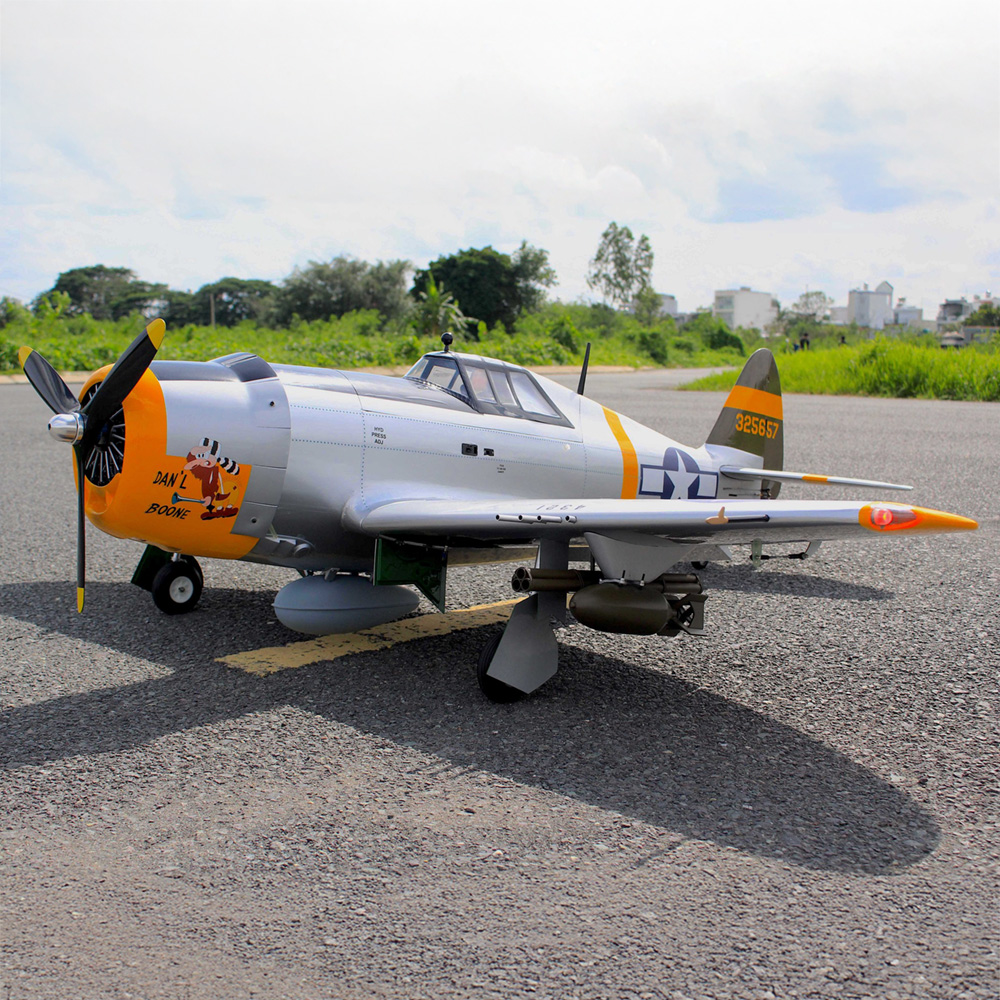
E-flite RC Trainer Planes: A Popular Choice for Learning to Fly
E-flite is a recognized name in electric RC aviation, with aircraft designed for different experience levels and flying styles.
Its trainer-oriented lineup includes aircraft designed to introduce new pilots to radio-controlled flight.
When comparing E-flite RC airplanes, pay attention to:
-
Aircraft skill level
-
Wingspan and overall size
-
RTF, BNF, or PNP configuration
-
Brushless or brushed motor
-
Compatible battery voltage and capacity
-
Receiver and transmitter compatibility
-
Stabilization technology
-
Replacement parts and support
The E-flite Apprentice family is an example of a trainer-oriented aircraft range. Different versions and packages may have different equipment requirements, so verify the specifications of the exact model before ordering.
Brushless vs. Brushed Motors for RC Trainer Planes
The motor is one of the most important parts of an electric RC airplane.
Brushed Motors
Brushed motors are commonly found in some entry-level and smaller RC aircraft.
Potential advantages include:
-
Simple power system
-
Accessible entry-level configurations
-
Suitable performance for certain lightweight aircraft
Brushless Motors
Brushless motors are widely used in modern electric RC airplanes.
Potential advantages include:
-
Efficient power delivery
-
Strong performance potential
-
Good durability when properly maintained
-
Compatibility with a wide range of aircraft sizes
Neither motor type automatically makes an aircraft suitable for beginners. The complete aircraft design, power-to-weight ratio, control response, and recommended skill level matter more than the motor label alone.
RC Airplane Batteries and Chargers
Battery selection directly affects aircraft performance and operating time.
Many electric RC airplanes use rechargeable lithium polymer (LiPo) batteries. These batteries are available in different cell counts and capacities.
Common configurations include:
-
1S LiPo batteries for certain small aircraft
-
2S LiPo batteries for selected lightweight models
-
3S LiPo batteries for many electric trainers
-
4S and higher configurations for aircraft designed for greater power
Always use the battery type, cell count, capacity, connector, and discharge rating specified by the aircraft manufacturer.
LiPo batteries require proper charging, storage, and handling. Use a compatible balance charger, never leave charging batteries unattended, and stop using batteries that show signs of swelling or damage.
Essential RC Aircraft Accessories
Buying the airplane is only part of getting started. Having the correct supporting equipment helps make flying more convenient and enjoyable.
Useful RC airplane accessories include:
-
RC transmitters and receivers
-
LiPo batteries
-
Battery chargers and balance chargers
-
Spare propellers
-
Landing gear and wheels
-
Servos and control linkages
-
ESCs and electric motors
-
Repair materials and tools
-
Aircraft carrying and storage equipment
Before purchasing accessories, confirm compatibility with your specific airplane. Connectors, battery dimensions, receiver protocols, and component specifications are not interchangeable across every model.
How to Choose Your First RC Trainer Plane
If you are new to RC aviation, use these steps to narrow down your options.
Step 1: Choose a beginner-rated aircraft.
Start with a model specifically recommended for first-time pilots. Check its skill-level rating and manufacturer guidance.
Step 2: Decide between RTF, BNF, and PNP.
If you do not own a compatible transmitter, an RTF package may be the most convenient option. If you already have suitable radio equipment, BNF or PNP may be worth considering.
Step 3: Check the complete equipment list.
Confirm whether the battery, charger, transmitter, receiver, and other required components are included.
Step 4: Consider your flying location.
Choose an aircraft that suits the available space and local flying conditions. Avoid flying near people, roads, buildings, airports, or restricted airspace.
Step 5: Check replacement parts.
Propellers, landing gear, wings, motors, and other components may eventually need replacement. Parts availability is an important consideration when choosing an aircraft.
Step 6: Learn with experienced pilots.
A local RC flying club or experienced instructor can help you understand pre-flight checks, transmitter setup, takeoff, landing, and safe flying practices.
RC Trainer Plane Maintenance and Safety Tips
Regular maintenance helps keep your RC airplane in good flying condition.
Before each flight:
-
Inspect the wings, fuselage, and tail surfaces.
-
Check propeller condition and motor mounting.
-
Confirm control surfaces move in the correct direction.
-
Check battery condition and secure installation.
-
Test transmitter and receiver operation.
-
Verify that all components are firmly attached.
After flying:
-
Disconnect and safely store the battery.
-
Inspect the aircraft for damage.
-
Clean dirt and debris from the airframe.
-
Check propellers, landing gear, and control linkages.
-
Repair damaged components before the next flight.
Always follow local aviation regulations, designated flying-site rules, and manufacturer safety instructions. In the United States, check applicable FAA requirements before operating an RC aircraft.
Frequently Asked Questions About RC Trainer Planes
What is the best RC plane for a beginner?
A beginner should generally look for an aircraft specifically rated for new pilots, with predictable handling, suitable stabilization features, and clear manufacturer instructions. A high-wing electric trainer is a common starting point.
Are electric RC airplanes good for beginners?
Yes. Electric RC airplanes are popular beginner options because they are convenient to operate and available in a wide range of trainer configurations.
What does RTF mean in RC airplanes?
RTF means Ready-to-Fly. It generally describes a package that includes most of the equipment needed to get started. Always check the product listing to see whether batteries and chargers are included.
What is the difference between BNF and PNP?
BNF aircraft typically include a receiver and require a compatible transmitter. PNP aircraft generally include the motor, ESC, and servos but require additional radio equipment. Exact package contents vary by model.
Are brushless RC planes better?
Brushless motors can offer efficient and powerful performance, but the best choice depends on the aircraft design and intended use. A beginner should prioritize the recommended skill level and complete aircraft setup.
How long can an RC trainer plane fly?
Flight time depends on battery capacity, aircraft weight, motor efficiency, throttle use, weather, and flying style. Check the manufacturer's specifications and monitor battery condition during operation.
Do I need a special transmitter for an RC airplane?
You need a transmitter compatible with the aircraft's receiver and radio protocol. Check the product specifications before purchasing a transmitter or BNF aircraft.
Explore RC Airplanes, Trainers, Parts & Accessories
Ready to take your first step into radio-controlled aviation?
Explore our selection of RC airplanes, electric aircraft, trainer planes, transmitters, batteries, chargers, and RC aircraft accessories. Whether you are learning the basics or expanding your aircraft collection, choose equipment that matches your experience and flying goals.
Discover aircraft and hobby products from brands and product ranges including E-flite, along with RC vehicles, parts, and accessories for enthusiasts.
Warehouse Sale – Up to 70% OFF Selected Products
-
Free Worldwide Shipping
-
30-Day Returns on Eligible Purchases
-
Secure Credit Card Payments
Explore available products and find the right RC aircraft equipment for your next flying adventure.
Product availability, discounts, shipping terms, and return eligibility are subject to the applicable product listing and store policies.